

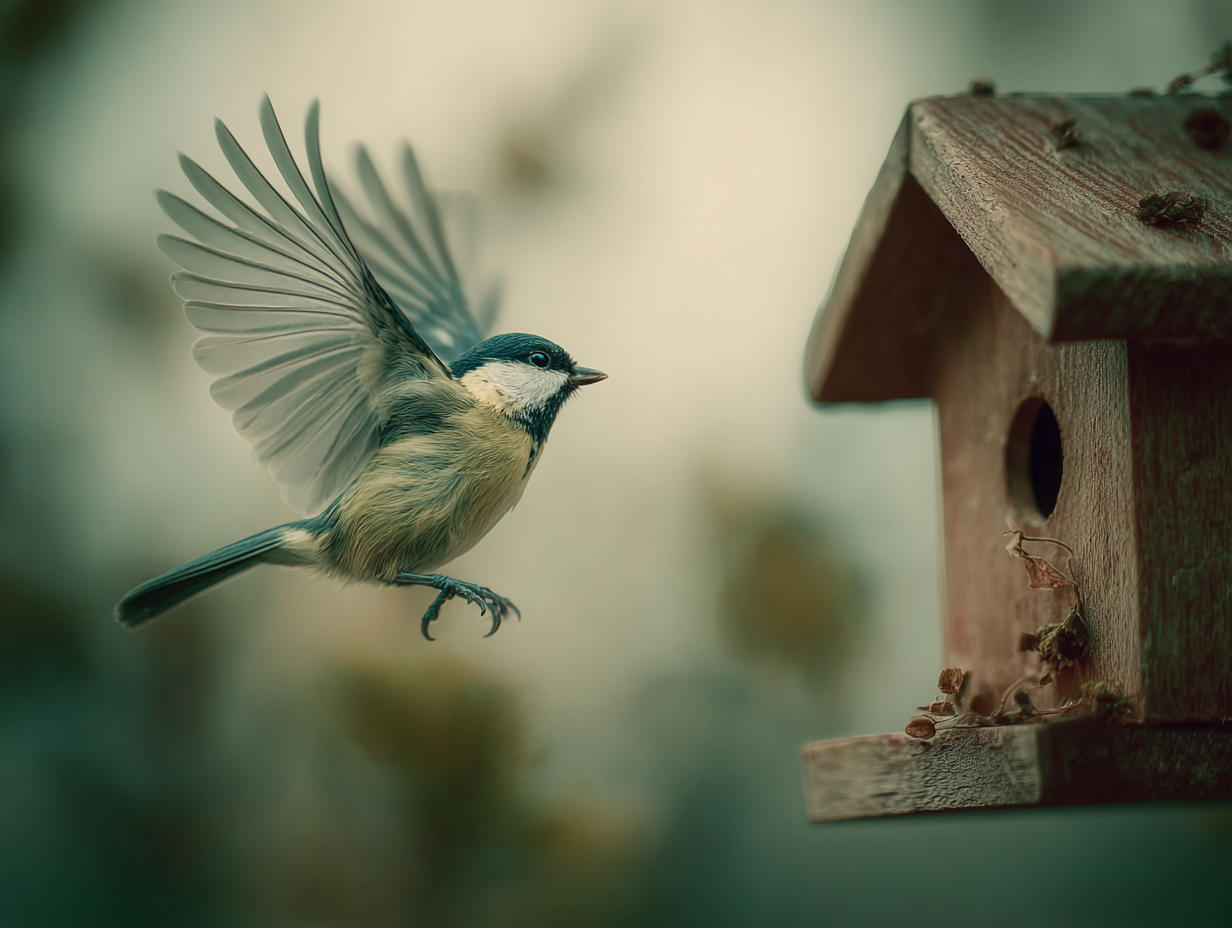
Birdwatching is an incredible hobby, but attracting the right birds to your backyard takes more than just putting up any birdhouse. Different bird species have unique nesting habits, size preferences, and environmental needs. With a little strategy, you can turn your backyard into a thriving sanctuary filled with the birds you love.
The first step is choosing the right birdhouse design. Not all birds want the same setup, so pay attention to details like entrance hole size, interior space, and ventilation. For example, chickadees and wrens prefer holes around 1 1/8 inches, bluebirds and tree swallows like 1 1/2 inches, and woodpeckers typically need 2 inches or larger. Smaller species prefer compact spaces, while larger birds require deeper cavities. A birdhouse with proper ventilation and drainage will keep nests dry and comfortable, increasing the chances your target birds will settle in. If you want flexibility, consider using a birdhouse with interchangeable entrance plates so you can adjust hole sizes based on the species you want to attract.
Placement is just as important as design. Birds are very particular about where they nest, and even a perfectly built birdhouse won’t work if it’s in the wrong spot. Bluebirds prefer their homes mounted 5 to 10 feet high in open grassy areas, wrens and chickadees do well between 6 and 10 feet near shrubs or trees, and woodpeckers like to be higher, around 10 to 20 feet up. Face the entrance away from prevailing winds — usually east or southeast works best — and keep birdhouses at least 25 feet apart to prevent territorial disputes. Some birds prefer shaded areas near foliage, while others, like bluebirds, are drawn to open fields, so tailor placement to the species you want.
Food plays a major role in attracting birds. While the birdhouse provides shelter, nearby food sources give birds a reason to stay. Different species have different preferences: goldfinches love nyjer seed, cardinals go for black-oil sunflower seeds, and chickadees enjoy peanuts and sunflower hearts. Hummingbirds are attracted to nectar feeders, and if you want to bring in bluebirds or wrens, mealworms are a great choice, especially during nesting season. By pairing your birdhouse with the right feeder, you make it hard for your target birds to resist.
Creating a bird-friendly habitat around your birdhouse can also make a huge difference. Planting native trees and shrubs provides natural shelter and food sources, while adding a fresh water supply like a birdbath or small fountain gives birds a reason to stick around. Avoid using pesticides, since they reduce the insect populations many birds rely on, especially during nesting season.
Predator protection is another factor many people overlook. Cats, squirrels, raccoons, and snakes can all scare away nesting birds or even harm them. To keep your birdhouse safe, install baffles on poles to block climbing predators, use metal entrance hole protectors to prevent animals from enlarging the hole, and avoid placing birdhouses in dense shrubs where predators can hide.
Finally, proper maintenance will keep your birdhouse inviting year after year. Clean it out once per season to remove old nests and parasites, inspect it for damage, and replace any worn-out parts. Wooden birdhouses may need repainting or resealing over time, which also helps extend their lifespan. A clean, well-kept birdhouse signals safety to birds and dramatically improves your chances of repeat nesting.
By choosing the right design, placing your birdhouse strategically, offering the right food sources, and creating a safe, welcoming habitat, you can attract the exact bird species you want. Whether you’re hoping to see vibrant bluebirds, cheerful chickadees, or majestic woodpeckers, a little planning goes a long way. Soon enough, your backyard will become a lively hub for bird activity and endless enjoyment.
Share:
The Future of Birdwatching: How Smart Birdhouses Are Changing the Game